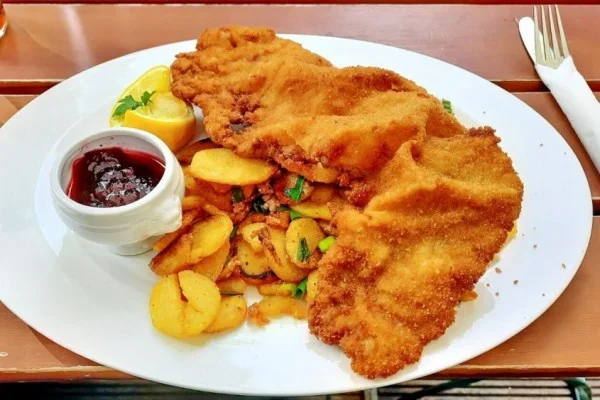
Hasenpfeil, often mistaken for Hasenpfeffer, is a traditional German dish with roots deep in central European culinary history. The word “Hasenpfeil” directly translates to “hare arrow,” although in culinary use, it refers to a dish involving marinated and stewed hare meat, typically prepared with a tangy, spiced sauce.
The core of Hasenpfeil is its deep flavor—derived from marinating wild hare in vinegar or wine, then slow-cooking it with aromatic herbs, spices, and vegetables. It’s a celebratory dish, historically reserved for nobility or special occasions like hunting feasts.
Unlike Hasenpfeffer, which is more widely recognized and includes a heavily peppered sauce, Hasenpfeil leans into herbal and wine-based profiles, making it more aromatic and subtly tangy.
Etymology and Linguistic Roots
The name “Hasenpfeil” comes from two German words: “Hase” (hare) and “Pfeil” (arrow). Linguistically, it evokes imagery of a hunter’s prize—the hare brought down by an arrow. Though rarely used in modern culinary contexts, the term captures the rustic and noble origins of this dish.
In folklore, the hare symbolizes speed and fertility, while the arrow hints at skill and pursuit. Combined, they reflect a dish deeply embedded in hunting culture and ancient traditions.
The Historical Origins of Hasenpfeil
Hasenpfeil
During the medieval period, game meat—especially hare—was a prized delicacy. Only the wealthy or aristocrats had regular access to such game, and dishes like Hasenpfeil were prepared during seasonal hunts or feasts in castles and manors.
Stewing was the go-to method to tenderize wild game, and over time, Hasenpfeil emerged as a signature dish showcasing culinary skill. Recipes varied from one noble house to another, often including secret spice blends or specific types of wine.
Hasenpfeil vs. Hasenpfeffer – Clearing the Confusion
Many people confuse Hasenpfeil with Hasenpfeffer. Here’s a quick comparison to clarify:
Feature
Hasenpfeil
Hasenpfeffer
Meat
Wild hare
Wild hare
Sauce
Wine/herb based
Heavily peppered, vinegar-based
Popularity
Rare, historical
More common, modernized
Texture
Aromatic, tender stew
Bold and zesty stew
While both are hare-based dishes, Hasenpfeil focuses on subtleties of herbs and the natural flavors of the meat, whereas Hasenpfeffer is spicier and sharper in taste.
Ingredients Used in Authentic Hasenpfeil
A traditional Hasenpfeil recipe includes:
Wild hare meat, preferably marinated for 24–48 hours
Red wine or vinegar as a base
Onions, garlic, and carrots for aromatics
Juniper berries, bay leaves, and thyme
Goose fat or lard for browning
Beef broth for depth
Some regional versions also include a touch of sugar, red currant jelly, or even bittersweet chocolate for complexity.
Traditional Cooking Methods
Marination: The hare is marinated in red wine with aromatics for at least 24 hours to tenderize the tough meat.
Searing: The meat is then seared in fat to lock in flavors.
Stewing: Everything is added to a large pot or Dutch oven and slow-cooked for several hours.
Reduction: The liquid is often reduced to create a thick, rich gravy.
Regional Variations Across Germany
Bavaria: Uses darker beers and a touch of mustard.
Saxony: Adds sour cream and vinegar for a tangy finish.
Swabia: Known for pairing it with Spätzle and red cabbage.
Each region contributes its own flavor, making Hasenpfeil a dish of many faces.
How to Make Hasenpfeil at Home
Hasenpfeil
Recreating Hasenpfeil in your own kitchen is both a culinary adventure and a taste of history. Here’s a simplified version of a traditional recipe that still captures the rich depth of the original.
Ingredients:
1.5 kg wild hare meat (leg and saddle preferred)
500 ml dry red wine
2 tbsp red wine vinegar
2 onions, sliced
2 carrots, chopped
4 garlic cloves, crushed
1 tbsp juniper berries
2 bay leaves
1 tsp thyme
2 tbsp goose fat or unsalted butter
500 ml beef broth
Salt and pepper to taste
Instructions:
Marinate the Meat: Combine wine, vinegar, onions, carrots, garlic, and spices in a bowl. Add the hare meat and refrigerate for 24–48 hours.
Sear the Meat: Remove meat from marinade, pat dry, and brown in goose fat on all sides in a large Dutch oven.
Add Marinade and Broth: Pour the marinade into the pot with the seared meat. Add broth and bring to a simmer.
Slow Cook: Cover and cook over low heat for 2.5 to 3 hours, until the meat is fork-tender.
Finish the Sauce: Remove the meat and reduce the sauce until thickened. Optionally, blend the vegetables into the sauce for added richness.
Serve: Return the meat to the pot and warm through. Serve hot with traditional sides.
Recommended Side Dishes and Pairings
Hasenpfeil shines when paired with rustic, hearty accompaniments. Popular sides include:
Spätzle (soft egg noodles)
Red cabbage braised with apples
Boiled or roasted potatoes
Dark rye bread
For drinks, opt for:
A dry German Pinot Noir or Spätburgunder
Dark beer such as Dunkel or Schwarzbier
These pairings balance the dish’s gamey richness and enhance its flavor complexity.
Nutritional Profile of Hasenpfeil
While Hasenpfeil is indulgent in taste, it’s relatively lean due to the use of wild hare.
Nutrient
Approximate per serving
Calories
350–450 kcal
Protein
35–40g
Fat
15–20g (depends on cooking fat)
Carbs
8–12g (mostly from sauce ingredients)
Vitamins
B12, Iron, Zinc
The dish is high in protein and iron, making it a robust option for those on high-protein or paleo diets.
Cultural Significance in German Celebrations
In rural and hunting regions of Germany, Hasenpfeil is more than just a dish—it’s part of tradition. It’s typically served:
During hunter’s festivals or Schützenfest
At Christmas and Easter feasts
For celebrating game season in October and November
In these events, the preparation and serving of Hasenpfeil is a community affair, passed down through generations.
Where to Find Hasenpfeil Today
While Hasenpfeil is rare on modern menus, you can still find it in:
Traditional Gasthäuser (inns) in Bavaria and Thuringia
Seasonal menus at hunting lodges
Specialty restaurants that offer heritage cuisine
You may also find pre-marinated hare meat in gourmet food stores or online German butchers like GermanDeli.com or The Sausage Man.
Hasenpfeil in Literature and Pop Culture
Although less referenced than Hasenpfeffer, Hasenpfeil has appeared in regional stories and folklore symbolizing:
The duality of man and nature
The ritual of the hunt
The return of the seasons
In German fairy tales, the hare often appears as a cunning creature, and meals made from hare reflect both celebration and conquest.
Sustainability and Ethical Sourcing of Game Meat
As awareness grows around sustainability, sourcing wild hare ethically is essential. Look for:
Certified game farms or forest cooperatives
Meat labeled “free-range” and “EU game certified”
Alternatives for ethical eaters include:
Rabbit (farm-raised, similar texture)
Jackfruit or mushrooms (vegetarian version with a similar stew effect)
Seitan or tempeh marinated similarly for vegan options
FAQs about Hasenpfeil
1. What is the difference between Hasenpfeil and Hasenpfeffer?
Hasenpfeil focuses on wine and herbs, while Hasenpfeffer is more peppery and vinegar-forward.
2. Is Hasenpfeil still eaten in Germany today?
Yes, though it’s mostly seasonal and regional, often served in traditional inns or during festivals.
3. Can I make Hasenpfeil with rabbit instead of hare?
Absolutely. Rabbit is a great substitute if wild hare isn’t available.
4. What kind of wine is best for Hasenpfeil?
A dry red wine, preferably a German Pinot Noir or Dornfelder, works best.
5. Is Hasenpfeil considered healthy?
It’s high in protein and iron, with low fat if cooked using lean methods. Just watch the sauce richness!
6. Can Hasenp feil be frozen for later?
Yes, it freezes well. Store in an airtight container for up to 3 months.
Conclusion – Why Hasenpfeil Still Matters Today
Hasenpfeil may not be as commonly known as its cousin Hasenpfeffer, but it holds a timeless place in the culinary history of Germany. From medieval feasts to rural festivals, this dish connects people to their roots, nature, and community.
Its rich taste, symbolic tradition, and deep ties to regional heritage make it a dish worth rediscovering—and savoring. Whether you’re a foodie, history buff, or simply love hearty meals, Hasenpfeil is a recipe to remember.